

As a custom CRM development consultant, we helped a professional services firm reduce manual administrative tasks by 49% and speed proposal-to-project conversion by 37% in a 22-week engagement — by engineering one connected workspace instead of buying another off-the-shelf CRM.
Every Department Had Information. No Department Had the Full Picture.
This company had experienced impressive growth over five years — new clients arriving consistently, consultants joining, service offerings expanding across regions. Success introduced an unexpected challenge: sales tracked opportunities in a CRM, project managers relied on spreadsheets, finance kept separate billing records, and customer success documented conversations across email threads and shared folders.
Every team possessed valuable information. No team possessed the complete picture. Simple questions — which proposals remained outstanding, which projects were approaching delivery, where revenue was being lost — required multiple conversations to answer. The answers existed. Finding them consumed valuable time.
Software Alone Doesn't Change Behaviour
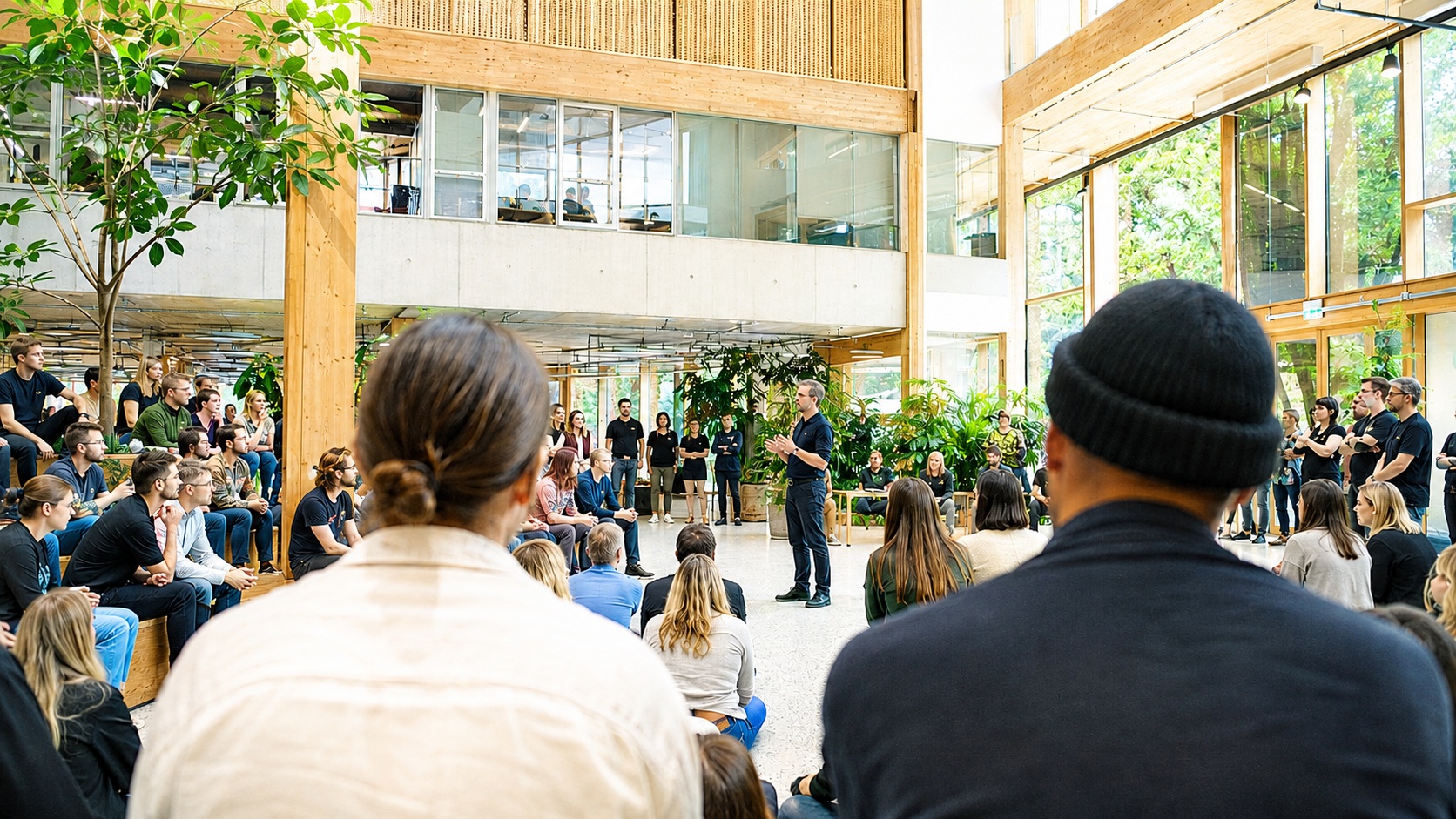
The engagement began with operational discovery rather than feature planning. Workshops with sales, project delivery, finance, customer success and executive leadership mapped how information actually flowed throughout the customer lifecycle.
Customer information was duplicated. Approvals depended on email. Reporting required manual preparation. Rather than implementing another off-the-shelf application, the objective became designing one digital workspace supporting every stage of the customer journey — from lead generation through delivery, invoicing and ongoing account management.
Engineering One Platform Instead of Four Separate Systems
The platform was engineered as a modular business application capable of evolving alongside organisational growth.
- Sales teams gained pipeline management, quotation generation and opportunity tracking within one unified environment, while project managers managed milestones, resources and client communications through integrated workspaces.
- Finance accessed billing workflows linked directly to project progress, reducing manual reconciliation, and executives gained real-time dashboards for commercial performance, resource utilisation and delivery health.
- Workflow automation eliminated repetitive approvals, role-based permissions ensured every department saw only what it needed, and the platform integrated with existing accounting and communication tools rather than replacing them.

Our Methodology
This engagement followed our five-phase business platform framework — Discovery & Operational Mapping, Data Model & Workflow Design, Platform Engineering & Integration, Automation & Governance Rollout, and Validation & Handover — applied across sales, delivery, finance and customer success over 22 weeks.
Five named deliverables anchored the platform:
- Cross-Departmental Workflow Diagnostic — mapping how customer information actually flowed across sales, delivery, finance and customer success.
- Unified Customer Data Model — a single structure replacing four departments' separate versions of the same customer relationship.
- Modular CRM & Project Workspace Engineering — pipeline management, quotation generation and delivery milestones in one environment.
- Workflow Automation & Role-Based Permissions Framework — eliminating repetitive approvals while keeping departmental data access appropriate.
- Accounting/Communication Tools Integration Layer — connecting the new platform to existing systems instead of replacing them.
Each deliverable fed directly into which manual processes were automated and which systems were connected, so every workflow traced back to a documented pattern from the discovery workshops rather than a generic CRM template.
What Changed in the First 12 Months
Following implementation:
- Manual administrative tasks were reduced by approximately 49%.
- Proposal-to-project conversion accelerated by roughly 37%.
- Sales and delivery teams collaborated more effectively because both relied on the same customer information.
- Leadership gained immediate visibility into pipeline performance, project profitability and resource allocation without requesting reports from multiple departments.
- Employees spent less time searching for information and more time delivering value to customers.
Technology stopped supporting individual departments. It started supporting the entire business.

Our Perspective
The most valuable business platforms rarely introduce entirely new capabilities. They connect existing capabilities into one seamless operational experience.
When every team works from the same information, collaboration becomes natural, decisions become faster and customer experiences become stronger.
The cost of not connecting that information is well documented: McKinsey Global Institute research on workplace information gathering found that employees spend an average of 1.8 hours every day — 9.3 hours per week — searching for and gathering information, roughly equivalent to hiring five people but only four showing up to contribute value, exactly the fragmentation tax this platform was engineered to remove.
Frequently Asked Questions
Why did four departments having good individual data still create a business problem?
Sales tracked opportunities in a CRM, project managers used spreadsheets, finance kept separate billing records, and customer success worked from email threads. Each system held valuable, accurate information — the problem was that no single view combined them, so simple questions like which proposals remained outstanding required multiple conversations to answer.
Why did the engagement start with operational discovery instead of picking CRM software first?
Software alone rarely changes behaviour — digital platforms succeed when they reflect how people actually work. Workshops with sales, delivery, finance, customer success and leadership surfaced where customer information was duplicated and where approvals depended on email, which shaped what the platform actually needed to do before any interface was designed.
Why build a custom platform instead of buying an off-the-shelf CRM?
Off-the-shelf CRMs typically manage sales pipelines well but don’t natively connect to project delivery, billing workflows and customer success communication the way this business needed. A modular custom platform let pipeline management, project workspaces, billing and executive dashboards operate from one unified data model instead of forcing four departments to adapt to a tool built for one function.
Did connecting the departments require replacing their existing tools?
No — the platform integrated with existing accounting software, communication tools and document management systems rather than replacing them, so the organisation modernised its operations without disrupting familiar processes teams already relied on.
What was the measurable outcome of the platform?
Following implementation: manual administrative tasks were reduced by approximately 49%, and proposal-to-project conversion accelerated by roughly 37%.
What methodology did we use to build this unified CRM and operations platform?
We applied a five-phase business platform framework — Discovery & Operational Mapping, Data Model & Workflow Design, Platform Engineering & Integration, Automation & Governance Rollout, and Validation & Handover — across sales, delivery, finance and customer success over 22 weeks.
Work With a Custom CRM Development Consultant
Disconnected systems create disconnected decisions.