


As an AI transformation strategy consultant, we helped a professional services and technology enterprise cut duplicated AI investment by 41% and align executive leadership around one board-approved five-year roadmap in an 18-week engagement — replacing a pile of unrelated pilots with a single compounding business capability.
When AI Became a Boardroom Conversation
Artificial intelligence was not a novelty inside this organisation. Teams were already piloting AI copilots, predictive models and workflow automation. Vendors pitched new capabilities almost weekly, and executives knew AI would reshape their industry.
But beneath the enthusiasm sat a harder truth: every initiative pointed in its own direction. Marketing had a vision, Operations had another, and technology teams chased implementation instead of business outcomes. AI was accumulating as a pile of unrelated projects rather than compounding as a business capability. Leadership didn’t need one more pilot — it needed a way to align ambition with execution.
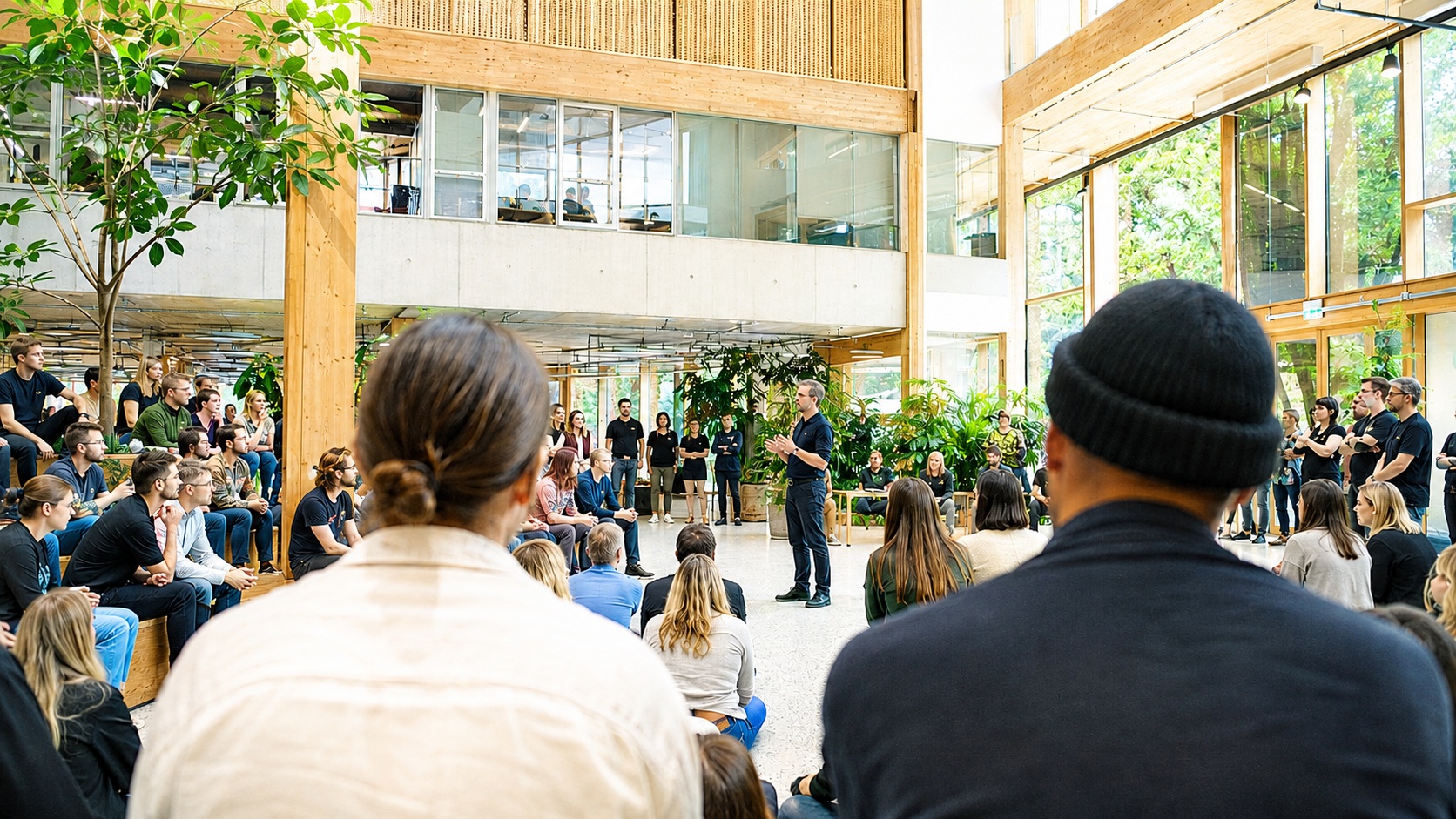
Digitally Mature. Strategically Unaligned.
The organisation had already made real digital investments — modern cloud infrastructure, enterprise applications and integrated data platforms formed a credible technical base for AI. What was missing wasn’t capability. It was alignment.
Executive interviews, cross-functional workshops and capability assessments surfaced a consistent pattern: individual business units were solving local problems with AI, but nobody owned how AI would transform the enterprise as a whole. Without governance, duplicate investments quietly inflated cost, and without a common evaluation framework, leadership had no reliable way to say which initiatives actually created value.
Designing the Transformation Strategy
XONIK began with the business, not the technology stack. The engagement started by mapping strategic objectives, customer expectations, operational friction points and long-range growth ambitions. Every candidate AI opportunity was tested against a single question: would this materially strengthen the organisation’s ability to compete over the next five years?
- Working directly with executive leadership, XONIK built a transformation roadmap that sequenced initiatives by business impact, organisational readiness and delivery complexity — creating early wins while laying groundwork for larger programmes.
- Governance sat at the centre of the strategy from day one: clear policy for responsible AI, data quality, model oversight and executive accountability, so innovation could scale without compromising trust.
- Leadership alignment, workforce capability and change management were built into the roadmap from the outset — not bolted on afterward — so teams understood both how AI would arrive and why it mattered.

Our Methodology
This engagement followed our five-phase AI Transformation Strategy framework — Discovery & Capability Assessment, Five-Year Competitive Filter Application, Impact Sequencing, Governance Design, and Executive Sign-off — applied across every business unit running an active or proposed AI initiative over 18 weeks.
Five named deliverables anchored the engagement:
- Enterprise AI Opportunity Map — cataloguing every AI idea already in flight or proposed, regardless of which department originated it.
- Five-Year Competitive Filter — the single test used to decide whether an AI opportunity materially strengthens the organisation's competitive position.
- Impact-Sequenced Transformation Roadmap — initiatives ordered by business impact, organisational readiness and delivery complexity.
- Responsible AI Governance Policy — covering data quality, model oversight and executive accountability from day one.
- Workforce & Change Readiness Plan — built into the roadmap from the outset so teams understood both how AI would arrive and why it mattered.
Each deliverable fed directly into how new AI opportunities were evaluated and sequenced, so the roadmap kept working long after the engagement ended.
What Changed in the First 12 Months
- Duplicated AI investment fell by approximately 41% once overlapping initiatives were consolidated onto the shared roadmap.
- An enterprise-wide AI transformation roadmap was approved by executive leadership.
- A prioritised portfolio of high-impact AI initiatives now guides investment decisions.
- A governance framework enables responsible, scalable AI adoption across every new initiative.
- Collaboration across business, technology and operations strengthened measurably.
- Leadership reported greater confidence in AI investment decisions through structured prioritisation.

Our Perspective
Successful AI transformation rarely starts with algorithms. It starts when leadership agrees on the future it wants to build.
Technology accelerates progress, but strategy sets the direction. Organisations that align vision, governance and people before implementation are the ones that realise sustainable value from AI.
The performance case for this is now well documented: McKinsey’s 2026 AI Trust Maturity Survey found that only about one-third of organisations have reached a governance maturity level adequate for the AI they are already deploying — the exact gap between deployment speed and governance readiness this roadmap was built to close.
Frequently Asked Questions
What is an AI transformation strategy?
A structured roadmap that aligns AI initiatives with business goals, governance, people, technology and measurable outcomes across an enterprise.
Why is AI governance important this early in a transformation?
Governance ensures AI systems are deployed responsibly, transparently and in line with organisational policy and regulatory requirements — designing it in from day one is far cheaper than retrofitting it after a dozen pilots are already live.
How do organisations begin AI transformation?
Successful organisations start by assessing business objectives, readiness, data capability and leadership alignment before implementing AI solutions.
What are the benefits of an enterprise AI roadmap?
A well-defined roadmap helps organisations prioritise investment, cut duplication, sharpen decision-making and scale AI initiatives with confidence — in this engagement, a 41% reduction in duplicated investment.
How long does an AI transformation strategy engagement typically take?
This engagement ran 18 weeks across discovery and capability assessment, applying the five-year competitive filter, impact sequencing, governance design and executive sign-off.
Work With an AI Transformation Strategy Consultant
AI creates real business value only when every initiative supports one larger vision. Whether you’re drafting your first enterprise AI roadmap or aligning existing investments into a single transformation programme, XONIK helps organisations move from experimentation to strategic execution.