
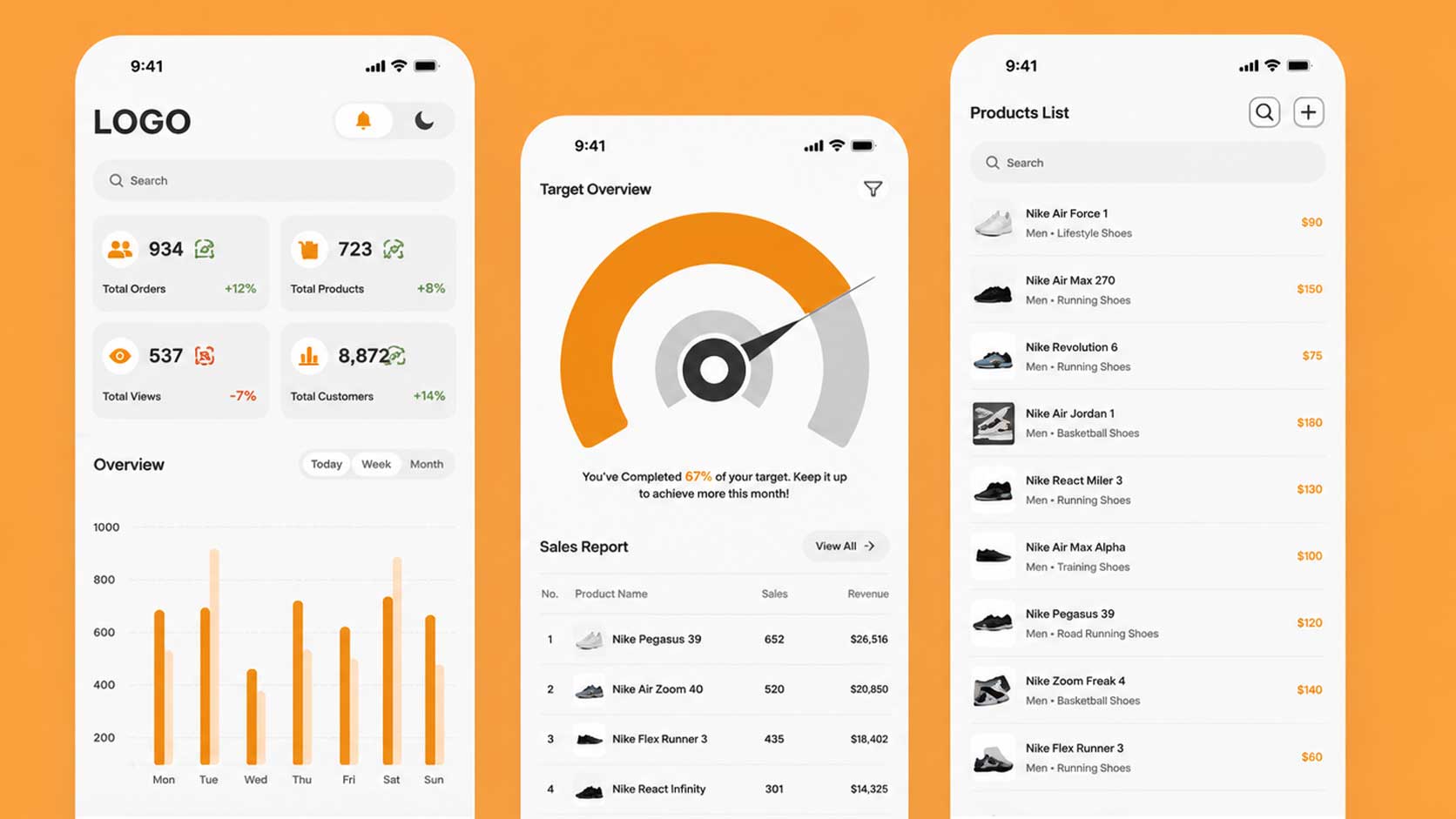

As an executive AI decision intelligence consultant, we helped a global logistics enterprise cut executive decision cycles by 35% and replace a dozen conflicting dashboards with one unified intelligence layer in a 16-week engagement — turning operational noise into a morning briefing leaders could act on.
More Data Than Ever. Less Clarity Than Before.
Every morning, the executive team started the day the same way. Operations reviewed fleet performance. Finance monitored transportation cost. Procurement tracked supplier updates. Regional leaders watched warehouse activity. Customer service measured delivery performance.
Every department had a dashboard. Every dashboard showed different numbers. Every meeting opened with the same question: which version of the truth are we looking at? Despite investing millions in digital platforms, leadership struggled to decide with confidence because information was scattered across dozens of disconnected systems. The company didn’t have a data problem. It had a decision problem.

The Cost of Fragmented Intelligence
The logistics network moved thousands of shipments daily across multiple countries. Weather disrupted routes. Fuel prices shifted weekly. Warehouse capacity fluctuated constantly. Supplier delays rippled through the whole chain.
Every decision depended on information from ERP systems, transportation platforms, warehouse management software, customer portals and external market sources. Executives spent hours gathering reports before strategy could even begin — and by the time insight reached the boardroom, conditions had already changed. Leadership wanted something fundamentally different: not another dashboard, but an intelligent executive partner.
Designing Executive AI Decision Intelligence
XONIK designed an AI-powered Decision Intelligence platform that turned operational information into executive insight — unifying intelligence across logistics, procurement, finance, customer operations and external market data into a single executive decision environment, without replacing existing systems.
- AI continuously monitored operational signals — shipment delays, warehouse utilisation, supplier performance, transportation cost, weather disruption and customer demand — and prioritised the issues that actually needed executive attention.
- Generative AI turned complex operational data into concise executive briefings: what changed overnight, why it mattered, which actions deserved immediate consideration.
- The platform introduced predictive scenario modelling, letting executives test how fuel price rises, supplier disruption, labour shortages or seasonal demand spikes would affect network performance, and natural-language AI let leaders ask business questions conversationally and receive contextual, data-backed answers.

Our Methodology
This engagement followed our five-phase Executive AI Decision Intelligence framework — Data Source Integration, Signal Prioritisation Design, Generative Briefing Build, Predictive Scenario Modelling, and Natural-Language Query Rollout — applied across operations, procurement, finance and customer service data over 16 weeks.
Five named deliverables anchored the engagement:
- Unified Executive Intelligence Layer — integrating logistics, procurement, finance, customer operations and market data into a single view without replacing existing systems.
- Signal Prioritisation Engine — continuously monitoring shipment delays, warehouse utilisation, supplier performance, cost and weather, surfacing only what needs executive attention.
- Generative Morning Briefing — turning overnight operational noise into a plain-language summary of what changed, why it matters, and what deserves action today.
- Predictive Scenario Models — letting executives test fuel price rises, supplier disruption, labour shortages or demand spikes before committing to a decision.
- Natural-Language Query Interface — letting leaders ask plain business questions conversationally and get a contextual, data-backed answer.
Each deliverable fed directly into the same trusted data layer, so every briefing, scenario model and query answer traced back to one consistent version of operational truth.
What Changed in the First 12 Months
- Executive decision cycles shortened by approximately 35% as time once spent validating reports went into evaluating options instead.
- A unified executive intelligence platform now integrates operational and commercial data across the enterprise.
- AI-generated executive briefings have replaced fragmented manual reporting.
- Predictive scenario planning now supports proactive rather than reactive decision-making.
- Cross-functional alignment between operations, finance and commercial teams improved through one shared intelligence layer.
- Operational risk across logistics and supply chain networks is identified earlier, with materially higher executive confidence in the underlying data.

Our Perspective
The next competitive advantage isn’t collecting more data. It’s making better decisions with the data you already have.
Executive AI shouldn’t replace leadership. It should eliminate uncertainty, connect intelligence across the enterprise, and help leaders focus on the decisions that create the greatest business impact.
The performance case for this is now well documented: Industry analysis of enterprise decision-making finds more than 65% of enterprise data goes unused, even as billions are spent on analytics tools — the exact gap this platform was built to close by turning existing data into a single, trusted decision layer instead of another disconnected dashboard.
Frequently Asked Questions
What is Executive AI Decision Intelligence?
It combines AI, predictive analytics and enterprise data to help business leaders make faster, more informed strategic decisions.
How does AI improve executive decision-making?
AI identifies patterns, predicts business outcomes, summarises complex information and recommends action based on real-time enterprise intelligence.
What is the difference between Business Intelligence and Decision Intelligence?
Business Intelligence explains what has happened. Decision Intelligence combines AI, predictive analytics and contextual recommendation to help leaders decide what to do next.
Which industries benefit from Executive AI Decision Intelligence?
Logistics, manufacturing, healthcare, retail, telecommunications, energy and other data-intensive industries.
What was the measurable outcome of this decision intelligence engagement?
Executive decision cycles shortened by approximately 35%, and a unified intelligence layer replaced a dozen previously disconnected dashboards.
Work With an Executive AI Decision Intelligence Consultant
Modern enterprises don’t suffer from a shortage of information. They suffer from fragmented intelligence. XONIK helps organisations build AI-powered Decision Intelligence platforms that turn operational complexity into strategic clarity.