


As an enterprise knowledge intelligence consultant, we helped a global professional services and manufacturing enterprise cut time spent searching for information by 37% and build a unified, AI-ready knowledge architecture in a 16-week engagement — because AI can only be as intelligent as the knowledge it can actually understand.
The Knowledge Existed. The Intelligence Didn't.
Thousands of decisions were made across this organisation every day. Some relied on years of experience. Others depended on documents buried in shared drives, outdated intranets or disconnected applications. Teams routinely rebuilt reports that already existed, searched endlessly for information, or leaned on colleagues who simply ‘knew where everything was.’
Knowledge had become one of the company’s most valuable assets — and, ironically, one of its least accessible. The real starting question wasn’t how AI could answer questions. It was: how do we make our organisational knowledge discoverable, trusted and AI-ready?
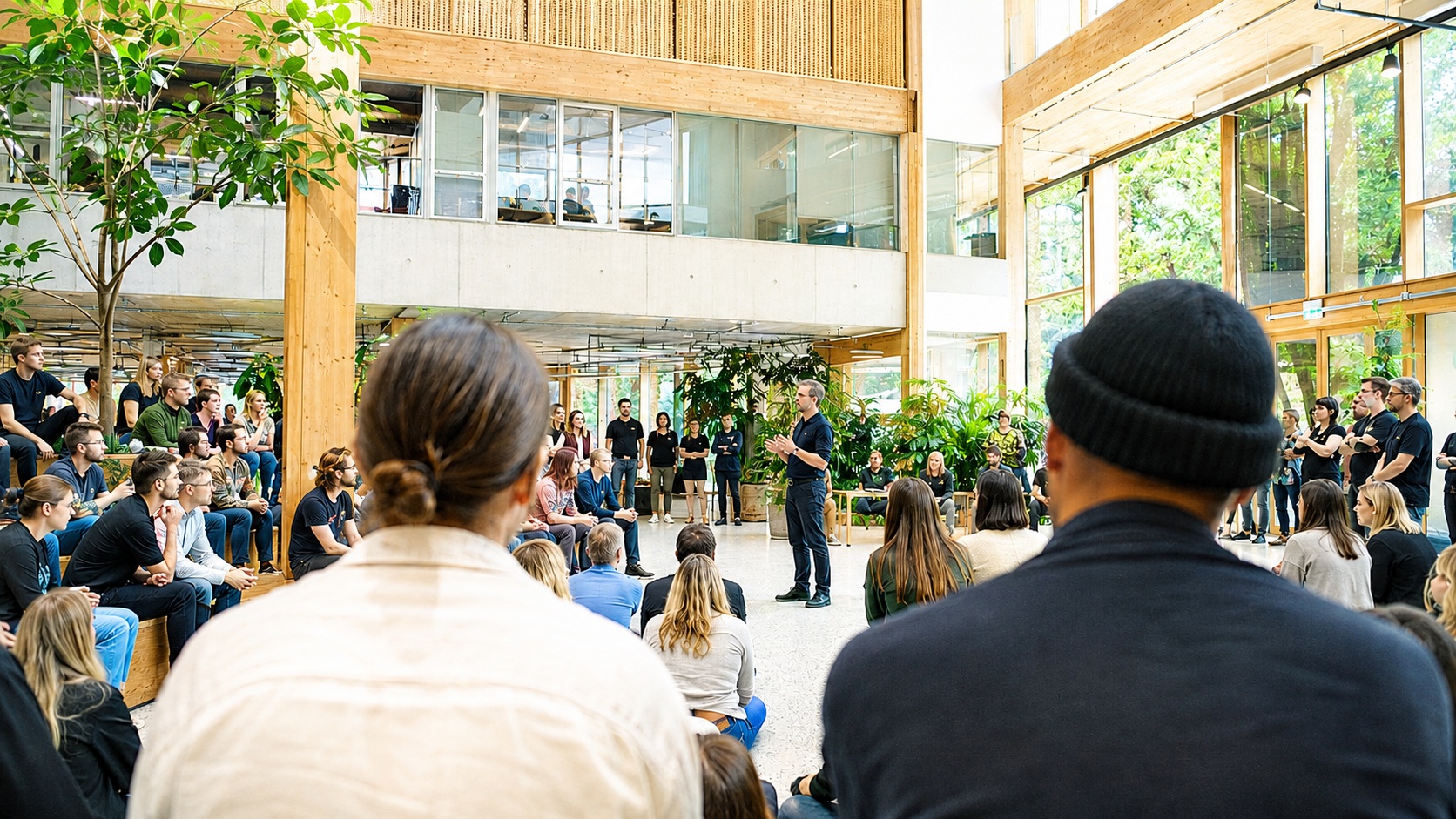
Dismantling the Knowledge Silos
Years of growth had left information silos in every department. Policies sat in one system, customer insights in another, and project documentation, procedures and technical expertise were scattered across dozens of platforms, each with its own structure, permissions and ownership.
Employees spent valuable hours searching instead of solving. New hires took months to find critical information. Most AI initiatives jump straight to deploying assistants — XONIK argued the priority was different: build an intelligent knowledge foundation first, or AI will simply automate the confusion that already exists.
Building the Enterprise Knowledge Intelligence Platform
XONIK treated knowledge as a strategic business capability, not a pile of documents. The engagement opened with a comprehensive knowledge discovery exercise — mapping where information lived, how it was created, who owned it and how it moved through the organisation.
- Knowledge was reorganised into a structured enterprise information architecture designed for people and AI alike, with content connected through relationships between processes, products, customers, policy and expertise rather than isolated repositories.
- AI-powered semantic search replaced keyword search, letting employees find accurate information by meaning rather than exact terminology, while subject-matter experts shifted from gatekeepers to contributors in a living knowledge ecosystem.
- Governance models defined ownership, review cycles, quality standards and security policy — turning every knowledge asset into part of a continuously evolving platform rather than a static archive.

Our Methodology
This engagement followed our five-phase Enterprise Knowledge Intelligence framework — Knowledge Discovery, Relationship-Based Architecture Design, Semantic Search Deployment, Governance Model Rollout, and Validation & Handover — applied across every major knowledge domain over 16 weeks.
Five named deliverables anchored the engagement:
- Enterprise Knowledge Discovery Map — documenting where information actually lived, who owned it and how it moved through the business.
- Relationship-Based Information Architecture — connecting content through relationships between processes, products, customers, policy and expertise.
- AI-Powered Semantic Search Layer — letting employees find accurate information by meaning rather than exact terminology.
- Knowledge Governance Model — defining ownership, review cycles, quality standards and security policy for every knowledge asset.
- Subject-Matter Expert Contribution Model — turning experts from gatekeepers of isolated knowledge into contributors in a living knowledge ecosystem.
Each deliverable fed directly into the platform’s information architecture, so every AI assistant built on top of it drew on verified enterprise knowledge instead of scattered files.
What Changed in the First 12 Months
- Time spent searching for information fell by approximately 37% across knowledge-intensive teams.
- A unified enterprise knowledge architecture is now established across business functions.
- An AI-ready information foundation now underpins future transformation initiatives.
- Duplicated content and knowledge silos were significantly reduced.
- Cross-department collaboration improved through shared, trusted knowledge.
- Strong governance ensures information stays trusted, secure and continuously updated.

Our Perspective
Most organisations believe AI creates intelligence. In reality, AI reveals the quality of the knowledge that already exists.
Businesses that invest in organising, governing and connecting their knowledge build AI systems that deliver trusted insight — not just faster answers. Knowledge is no longer documentation. It’s competitive infrastructure.
The performance case for this is now well documented: Recent industry research puts the average enterprise employee losing roughly 1.8 hours a day searching for information, with 61% of companies reporting their data assets are not yet ready for generative AI deployment — the exact cost this engagement was built to eliminate before any AI assistant went live on top of it.
Frequently Asked Questions
What is Enterprise Knowledge Intelligence?
It connects organisational knowledge, expertise and business information into a structured ecosystem that supports AI, decision-making and collaboration.
Why is knowledge important for AI transformation?
AI systems rely on accurate, trusted, well-governed knowledge to produce reliable insight and recommendations.
What are knowledge silos?
Knowledge silos occur when information is isolated across departments or systems, making it hard to discover, share and reuse.
How does AI improve enterprise knowledge management?
Through semantic search, contextual recommendations, automated classification and intelligent information discovery.
What was the measurable outcome of this knowledge intelligence engagement?
Time spent searching for information fell by approximately 37%, and duplicated content and knowledge silos were significantly reduced across business functions.
Work With an Enterprise Knowledge Intelligence Consultant
AI performs best when it learns from accurate, connected and trusted information. XONIK helps organisations transform fragmented knowledge into intelligent ecosystems that accelerate collaboration, sharpen decisions and prepare businesses for enterprise-scale AI.