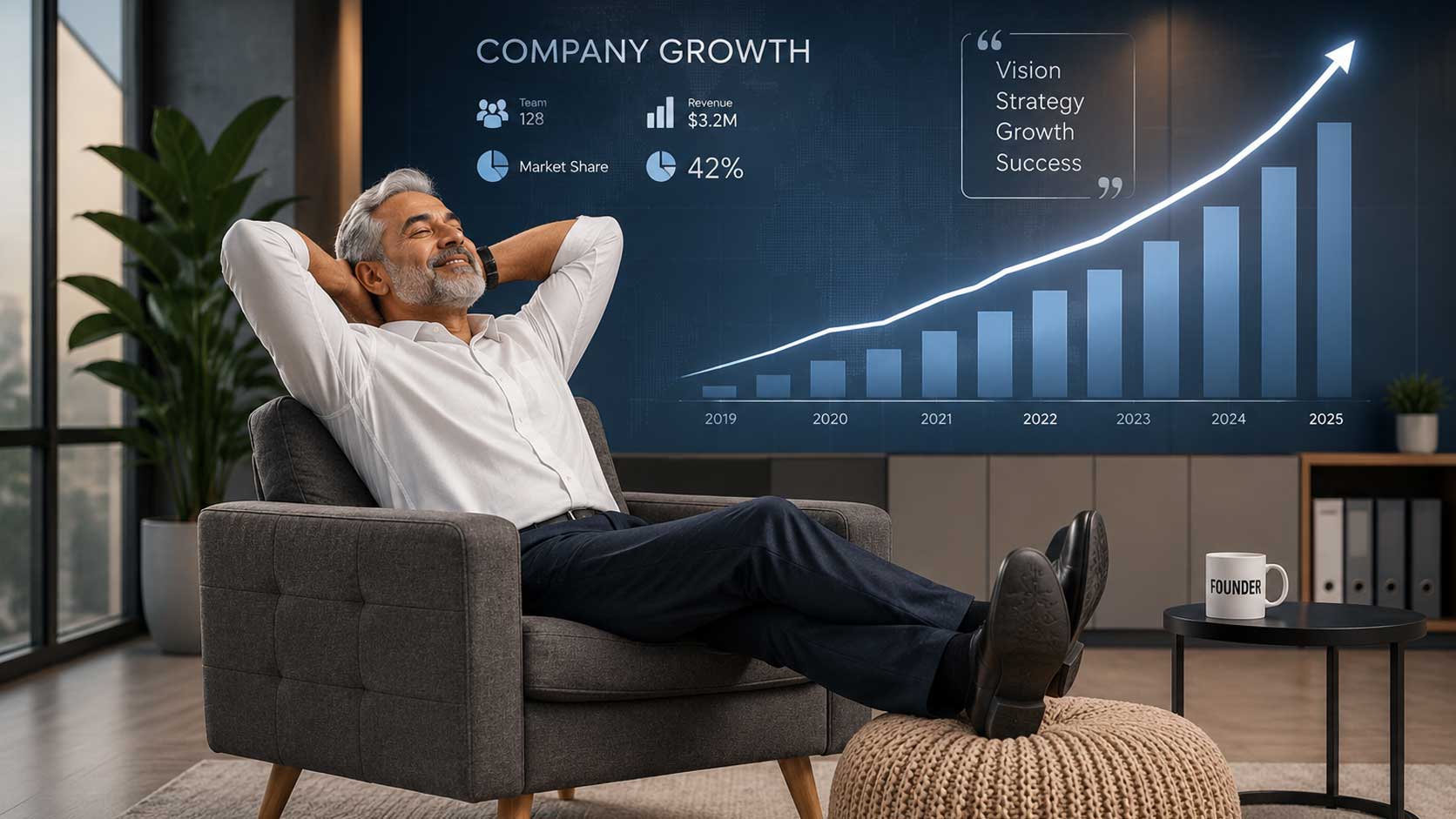

As a legacy system modernisation consultant, we helped a 40-year industrial manufacturer serving customers across Europe and North America deploy new digital capabilities 52% faster and cut manual operational workflows by 41% in a 28-week engagement — not by replacing its legacy platforms, but by re-architecting how they connected.
The Systems Still Worked. The Architecture Didn't.
For more than 40 years, this manufacturer had built its reputation on engineering precision and reliability, supplying mission-critical components to customers across Europe and North America under long-term contracts. Growth had introduced new production facilities, additional suppliers, international distribution networks and increasingly complex customer requirements.
Technology had evolved alongside the business, but not always together. New applications were introduced whenever a specific need emerged, creating a landscape of ERP modules, production systems, inventory tools and financial platforms operating largely in isolation, with critical information moving between departments through spreadsheets, manual exports and custom integrations accumulated over years. Launching new digital capabilities required months of integration work. Infrastructure costs kept rising while engineering teams spent more time maintaining legacy environments than delivering new business capabilities. Technology had quietly shifted from enabling growth to limiting it.
Understanding Why the Systems Existed, Not Which Ones to Delete
Replacing legacy software would have solved very little — modernisation without architectural clarity simply recreates yesterday’s complexity on newer technology. The engagement began with a comprehensive enterprise architecture assessment, mapping every major application, infrastructure dependency, data flow and integration point across manufacturing, procurement, finance, warehousing and customer operations.
Rather than asking which systems should disappear, the objective was understanding why they existed. Many legacy platforms still performed valuable functions — the challenge was in how they communicated. Information was fragmented across disconnected environments, creating operational friction and reducing confidence in business reporting, while engineering effort increasingly went into maintaining integration layers that had evolved organically over decades. The organisation didn’t need a complete technology replacement. It needed an ecosystem designed around today’s business instead of yesterday’s constraints.
Building an Architecture Designed to Evolve
A phased modernisation programme was established around three principles: protect operational continuity, simplify complexity, and create an architecture capable of continuous evolution.
- Introduced cloud-native integration services connecting critical business applications through secure APIs and event-driven architecture, rather than replacing every platform simultaneously.
- Centralised data services eliminated duplicated information and gave real-time visibility across production, inventory, procurement and customer operations.
- Transitioned infrastructure toward a scalable cloud environment supported by Infrastructure-as-Code, automated deployment pipelines and continuous monitoring, while DevSecOps, automated testing and observability became part of everyday delivery.

Our Methodology
This engagement followed our five-phase enterprise modernisation framework — Discovery & Architecture Assessment, Integration & Data Platform Design, Cloud Migration & Infrastructure-as-Code, DevSecOps & Observability Rollout, and Validation & Handover — applied across manufacturing, procurement, finance, warehousing and customer operations over 28 weeks.
Five named deliverables anchored the modernisation:
- Enterprise Architecture Assessment — mapping every application, dependency, data flow and integration point across all 5 business functions.
- API-First Integration Blueprint — the secure, event-driven architecture connecting critical systems without a simultaneous platform replacement.
- Centralised Data Services Layer — eliminating duplicated information and enabling real-time visibility across production, inventory, procurement and customer operations.
- Cloud Migration & IaC Runbook — the phased infrastructure transition supported by Infrastructure-as-Code and automated deployment pipelines.
- DevSecOps & Observability Framework — embedding automated testing, continuous monitoring and modern CI/CD into everyday engineering delivery
Each deliverable fed directly into which systems were connected, replatformed or left untouched, so every architectural decision traced back to a documented dependency rather than a preference for newer technology.
What Changed in the First 12 Months
Within months of implementation:
- Deployment of new digital capabilities accelerated by approximately 52%.
- Manual operational workflows were reduced by roughly 41%.
- Operational reporting moved from overnight batch processing to near real-time dashboards, letting production leaders spot supply chain bottlenecks before they affected delivery schedules.
- Procurement teams reduced manual reconciliation, and finance gained consistent enterprise data across reporting cycles.
- Leadership conversations shifted from whether existing systems could support a new initiative to how quickly new capabilities could be engineered.
Architecture had become an accelerator. Not a limitation.

Our Perspective
Legacy technology is rarely the greatest challenge facing mature organisations. Legacy architecture is.
Modern engineering is not defined by replacing software. It is defined by designing technology ecosystems that remain adaptable as business priorities continue evolving. The strongest engineering organisations build platforms rather than projects — platforms create resilience, projects eventually become legacy.
This gap is more common than most boards realise: McKinsey-cited research on enterprise legacy infrastructure found that 70% of Fortune 500 companies still operate software more than two decades old — which is exactly why this engagement treated modernisation as an architecture problem to be understood, not a software list to be replaced wholesale.
Frequently Asked Questions
Why wouldn’t simply replacing the legacy software have solved the problem?
Modernisation without architectural clarity just recreates yesterday’s complexity on newer technology. Many of the legacy platforms still performed valuable functions — the actual problem was how they communicated with each other, not the age of any single system, so replacing software without fixing the integration layer would have rebuilt the same fragmentation on a new stack.
Why start by understanding why the systems existed instead of deciding which to remove?
Information was fragmented across disconnected environments because each application had been introduced to solve a specific need at a specific time, not because any single system was failing. Understanding why each platform existed — production, procurement, finance, warehousing, customer operations — determined which needed better connections rather than replacement.
How did the organisation modernise without a risky, disruptive big-bang replacement?
The programme protected operational continuity by introducing cloud-native integration services and centralised data through secure APIs and event-driven architecture, connecting critical applications gradually rather than replacing every platform simultaneously — reducing risk while still eliminating duplicated data and fragmented reporting.
What changed for engineering teams day to day after the modernisation?
DevSecOps became part of everyday delivery, automated testing reduced release risk, and observability platforms improved system resilience. Development teams spent considerably less time maintaining fragile integrations and significantly more time building customer-facing capabilities.
What was the measurable outcome of the enterprise architecture modernisation?
Within months of implementation: deployment of new digital capabilities accelerated by approximately 52%, and manual operational workflows were reduced by roughly 41%.
What methodology did we use to modernise architecture across 5 business functions?
We applied a five-phase enterprise modernisation framework — Discovery & Architecture Assessment, Integration & Data Platform Design, Cloud Migration & Infrastructure-as-Code, DevSecOps & Observability Rollout, and Validation & Handover — across manufacturing, procurement, finance, warehousing and customer operations over 28 weeks.
Work With a Legacy System Modernisation Consultant
Engineering excellence isn’t measured by how much technology an organisation owns. It’s measured by how confidently that technology enables future growth.