Consulting, advisory and research: what we do
You have a decision in front of you and you're not sure what kind of help it needs. Research settles a fact you're missing, advisory tests a decision before you commit to it, and consulting carries it through to something your people use. Where you start depends on which of those is missing.
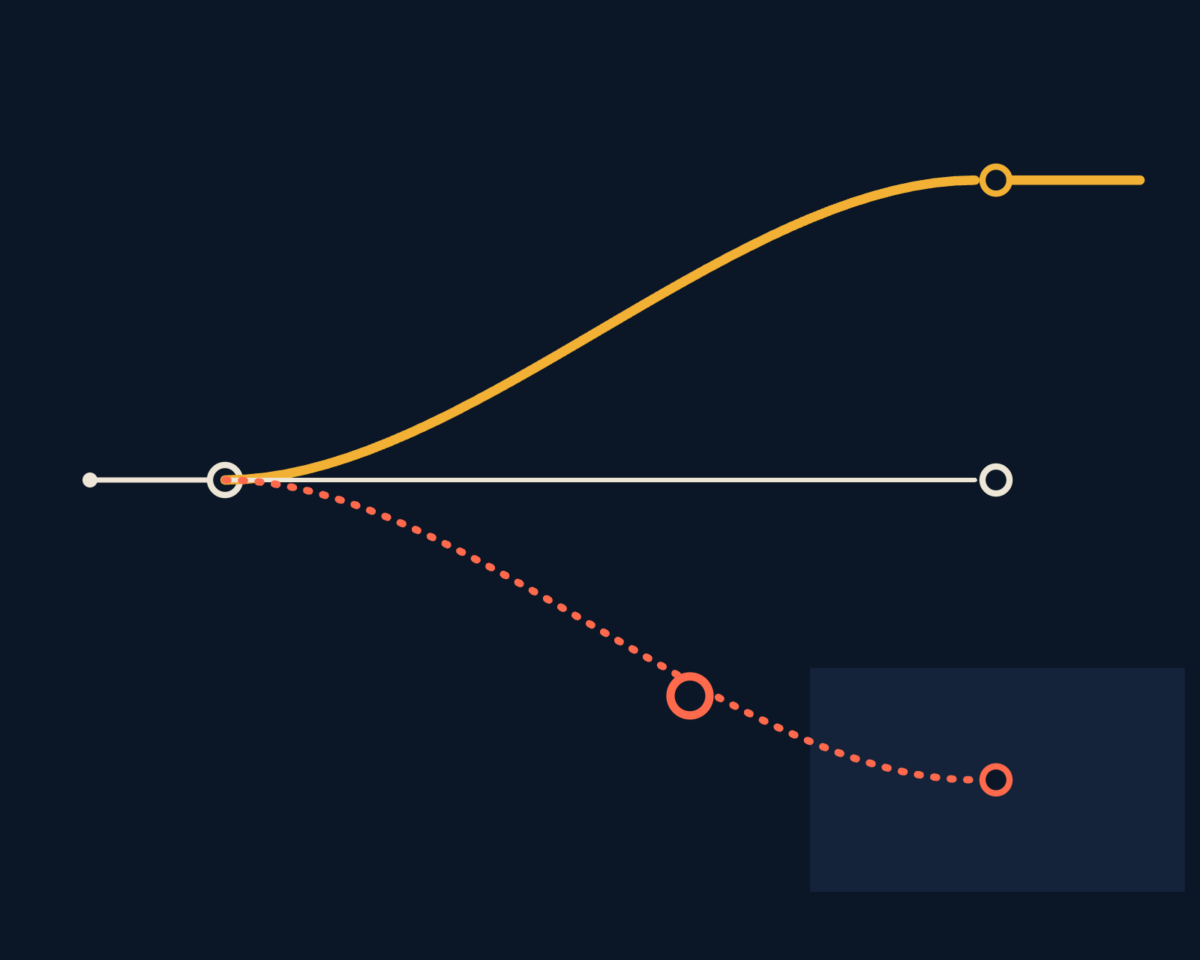
Choosing where to start
Why we keep these apart
A decision goes wrong differently at each stage. When a fact is missing, people argue from opinion and the loudest vendor wins. When the facts are in but nobody has tested the reasoning, money follows assumptions no one has examined. When the reasoning is sound and nobody carries it through, the decision lives on in a slide deck while the business carries on as before.
We keep the services separate because whoever judges a decision shouldn't be paid for the work that follows from it. If you use advisory and then consulting, the written scope draws the line between them, and you can take the written decision to whoever you choose.
| What it settles | Consulting | Advisory | Research |
|---|---|---|---|
| The question it answers | Who carries this through to something my people use? | Is this decision sound before we commit to it? | What's true that we don't know yet? |
| Who we work with | The sponsor and the leaders whose work changes | The executive who owns the decision, and the leaders it touches | The lead who must defend the answer to a board |
| What you hold at the end | A system or process in use, with run books, monitoring and a named owner | A written decision with its reasoning, its owner and what would make you revisit it | Findings with the method and limits stated, and a recommendation tied to your choice |
| What it will not do | Judge its own recommendation as an outsider would | Build or run anything; delivery is a separate scope | Make the decision for you, or find certainty the sources do not hold |
What is missing for you today?
Start with consulting if
- The decision is made and funded, and you can name the executive who sponsors it.
- The trouble is in how the work runs: a pilot with no owner, systems that disagree, a process nobody has changed.
- The people who will run the result can be in the room while it's built.
Start with advisory or research if
- The money isn't committed yet and the case rests on assumptions nobody has tested.
- The argument in the room is about a fact: what a platform does under your conditions, or what a regulator will require.
- You're choosing between vendors and the criteria weren't fixed before the demos.
Starting earlier adds a step before anything is built. Starting with consulting skips that step and risks a scope that fixes the wrong problem in fine detail, which is why every engagement opens with a short diagnostic. If it shows the decision itself was unsound, or the problem belongs to someone else, we tell you before you spend more.
Work fails at the handover, when nobody takes it over.
A composite example
A retailer with a decision half made
Picture the head of digital at a retail group. A vendor's assistant looks good in the demo, and the finance lead wants to know why it should be funded. The product data it needs sits in separate systems that disagree.
Composite of patterns we see, not a real client.
- Research. We run the vendor's assistant and a rival product against the retailer's own product data, with criteria agreed before the first run. The report opens with the answer and lists what the test couldn't show.
- Advisory. The findings go to the executive who owns the decision. We test the assumptions under the business case, ask what could be undone, and record the choice with the owner's name.
- Consulting. The product systems get reconciled first, because the assistant would only repeat their disagreement. The operations lead signs off the run book.
Where it endsThe assistant is in daily use, a named person can change or stop it, and the board paper cites the findings behind the decision instead of the demo.
Which of these do you need first?
How do I know whether we need research, advisory or consulting?
Ask what's missing. If it's a fact, start with research. If the facts are in but nobody has tested the decision, start with advisory. If the decision is made and funded, start with consulting, which carries it through to something your people use.
Can we use these services together?
Yes. A common route runs from research to advisory to consulting, each under its own written scope. Keeping them apart protects you: the party that judges the decision has no stake in the build that follows, and you can hand the written decision to whoever you choose.
We have already decided. Can we go straight to consulting?
Yes, if the decision is made and funded and an executive sponsors it. We still open with a short diagnostic, because a scope can fix the wrong problem in fine detail. If the decision turns out to be unsound, or the problem belongs to someone else, we tell you before you spend more.
Who needs to be involved on our side?
It depends on the service. Consulting needs the sponsor and the leaders whose work changes, with the people who will run the result in the room while it's built. Advisory needs the executive who owns the decision. Research needs the lead who has to defend the answer.
Not sure what is missing?
Tell us about the decision on your desk and we will say which of these it needs first. If you would rather check your own position first, try a free self-assessment.