Partner with XONIK: delivery and white-label
You have sold the engagement and the client trusts you, but the build needs senior people you don't have on staff. We deliver AI, technology and research work for agencies and consultancies, under your name or alongside it.
In brief
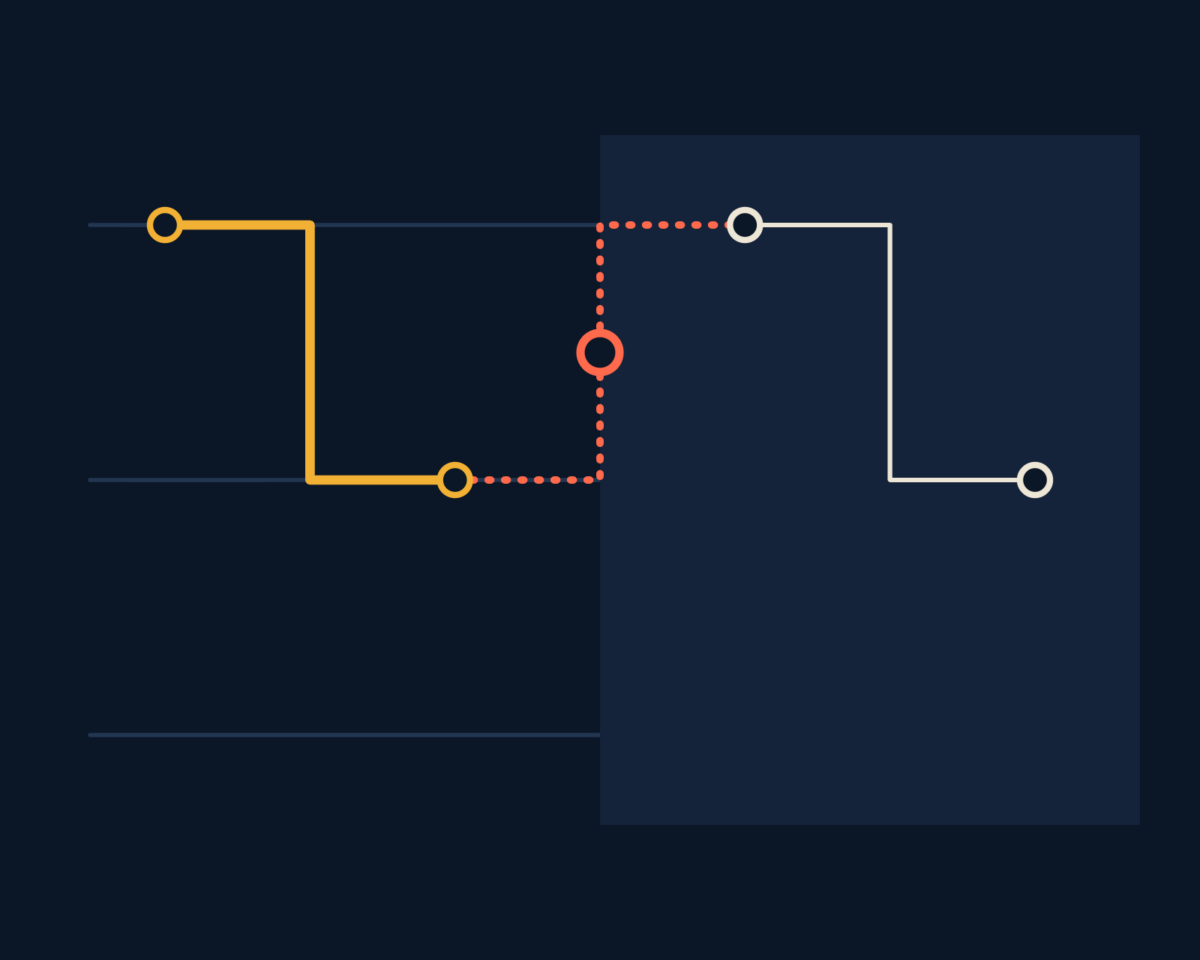
XONIK works with agencies and consultancies as a delivery partner, putting senior practitioners on AI, technology and research work under the partner's brand or alongside it. It is the arrangement we ran for much of our history. Each partnership is agreed in writing, covers one engagement or an ongoing arrangement, and starts with a conversation.
On this page
How a partnership is set up
It starts with a decision about whose name is on the work. Under white-label the work appears under your brand, and we aren't mentioned to your client unless the scope says so. Alongside you, we're introduced as your delivery partner. Then you decide how long it runs: a single engagement, or an arrangement that continues across clients.
White-label is how we worked for much of our history, so it isn't a special request. The work comes from the services on this site: AI delivery, technology and integration, research and evaluation, advisory support and product engineering. Senior practitioners do it, and we write the scope for the engagement the same way as for any client.
Does a delivery partnership make sense for your agency?
It works when the roles are clear. Here is where we see the line fall.
It works well if
- You hold the client's trust and want to keep the relationship.
- The problem needs senior judgment that you'd rather not hire for the length of a single engagement.
- You can describe the client's problem on a page, even if you can't yet say how to solve it.
- The client wants research or an evaluation from someone other than the party selling them the build.
- A product build needs specialists working beside your own team.
Look for another arrangement if
- You want extra hands who take daily direction from your project manager, with no scope of their own.
- You want us to vouch for a capability claim made in a pitch that nobody has checked.
- Ownership of the work product, or what each side may say, is to be settled informally later.
- You expect us to hold the client relationship that you'll later be asked to account for.
You gain senior delivery without hiring for it, and you keep the client. You give up some control over the day-to-day choices of the people doing the work, and you commit to writing down who speaks to the client and what happens when the client asks us a direct question.
From the first note to the first delivery
- 01
You describe the client's problem.
A short note to the partners address says what the problem is and how you'd like to work. You don't need to name the client at this stage.
- 02
A senior practitioner replies, and we talk.
We cover what has been promised, what has been tried, and who on your side decides.
- 03
A short diagnosis, if the problem is unclear.
Once we understand the cause, we write the scope.
- 04
The scope is written down.
It names the arrangement, who speaks to the client, what each side may say, who owns the work product, and what finished means.
- 05
Delivery.
Progress goes to your lead through the channel the scope names, and decisions are recorded as they're made.
- 06
Handover.
Run books and monitoring go to your lead and to a named owner on the client's side, and whoever the scope names presents the work.
A composite example
The agency that sold the plan before it could build it
Picture an agency that wins an engagement to make a retailer's product information usable by an assistant on the retailer's site. The agency's people can design the experience and write the brief. The work also needs an integration with the retailer's catalog and order systems, an evaluation of what the assistant gets wrong, and someone able to say what it should refuse to answer. The agency's lead is wary of bringing in a subcontractor who might later approach the retailer.
Read it as a composite of what partners bring us, not one client's story.
- Read the brief. We read what the retailer was promised and mark where the promise outruns what can be built.
- Name the arrangement. The scope says the work is white-label, that we don't contact the retailer, and what we say if the retailer contacts us.
- Scope the part we own. The integration, the evaluation and the rules for what the assistant refuses, each with a named reviewer at the agency.
- Deliver and hand over. Progress goes to the agency's lead. The run book goes to the agency and to the person who will own the assistant at the retailer, and the agency presents it.
Where it endsThe retailer sees one team. The agency keeps the relationship and has delivered something it can stand behind. Someone at the retailer can say who runs the assistant.
What if the client's own rules ask who is in the delivery chain?
White-label limits what we say to your client unprompted. It doesn't allow a false answer to a direct question, or to a regulator. Some buyers are now answerable for their suppliers' suppliers, so a delivery chain hidden from a client's procurement or security review can become your problem as well as ours.
Where a client's rules require disclosure, the scope states what we disclose, to whom and when, so nobody has to improvise in the middle of a review. Our briefing on outsourced and white-label delivery sets out the rules that bear on this.
What we ask of a partner
- Access to the client's people and systems, under the confidentiality terms of the engagement
- A decision maker on your side with the authority to choose between options
- An accurate account of what the client expects, including what was promised in the pitch
- Review of the statement of work by your counsel, with ownership of the work product stated
- A named owner for the result on the client's side
What do agencies ask before they write?
Can you deliver under our brand?
Yes. It's how we worked for much of our history. The scope states that the work appears under your name, who speaks to your client, and what we may say about the engagement, which by default is nothing.
Will you approach our client directly afterward?
The agreement sets what each side may do with the client relationship, and we write it down before work starts. If you want us not to contact your client, the agreement says so, and that is the term we work to.
Who owns what we produce for our client?
The statement of work says who owns the work product, and your counsel reviews it before work begins. We never leave ownership to be inferred later, because a gap there turns into a dispute between you, your client and us.
Can we try one engagement before an ongoing arrangement?
Yes. A single engagement is a normal way to begin. It shows both sides how the work and the communication go, and an ongoing arrangement can follow if it suits you.
How do we begin?
Write to the partners address with a short description of the client's problem and how you'd like to work. A senior practitioner replies to arrange a conversation, and a scope follows if there's a fit.
Start a conversation
Tell us about your client's problem and how you'd like to work. Write to partners@xonik.com
Related
Know what you would be partnering with.
Have a client problem you want delivered well?
Send us the client's problem in your own words, and keep the client's name back for now. A senior person replies to talk through whose name goes on the work.