Build-vs-Buy Business Case Spreadsheet
A spreadsheet that puts building, buying and using an AI agent side by side over one multi-year view, so the argument is about the inputs and not about who spoke last.
Free, in any currency you choose to write in.
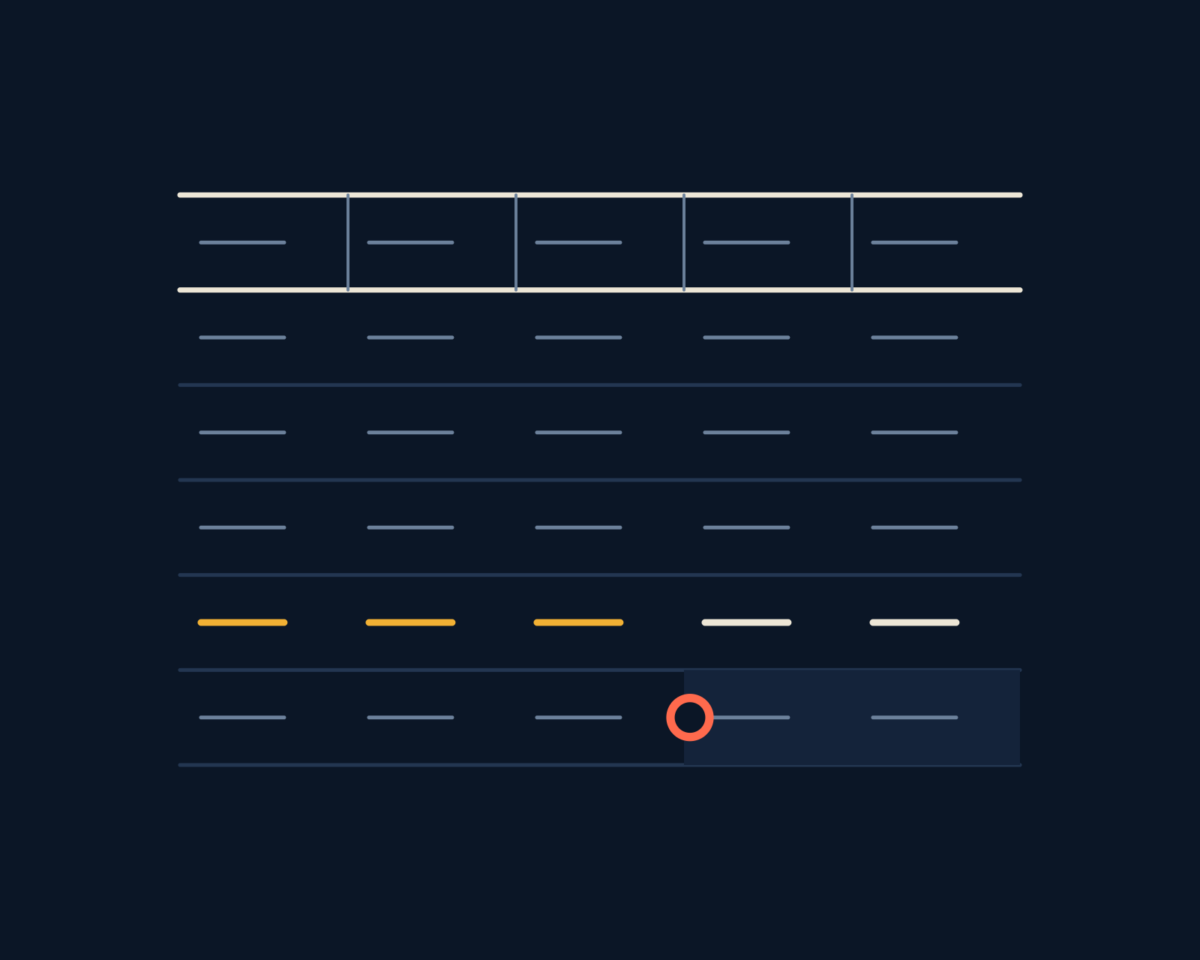
What each sheet holds
- Read me: the steps, the version and the limits, with the blue cells marked as yours to change
- Inputs for each option: the one-off cost before any benefit, the running cost, the cost of change and upkeep, the benefit each year and the cost of leaving at the end
- Cash flow and cumulative cash for every year, calculated from those inputs
- Results: the value today at the discount rate you choose, the payback year and the yearly benefit each option needs to break even
- A margin row that sets your benefit against that break-even, and one line naming the option with the highest value today
- Example figures in the inputs, so you can watch the formulas work before you overwrite them
Where to start
- 01
Agree the rate with finance first
Use the rate your finance partner applies to investments of this kind. Zero is allowed, and then the value today is a plain sum.
- 02
Cost first, then test the benefit
Costs can be supported by quotes and estimates. The benefit cannot, so overwrite it with a lower figure and see whether the leading option changes.
- 03
Empty cells drop an option
Leave an option blank to compare two when the third was never serious.
What it leaves out
Every input is one flat figure per year, so the sheet cannot show a benefit that builds slowly, a price that rises at renewal or a build that runs late. It leaves out risk, tax, inflation and the cost of delay. To choose the route first, use the Build vs Buy vs AI Agent Decision Tool; this sheet then prices it. It is a working aid and not financial advice.
On this page
A pattern we are asked about
When one benefit estimate carries the whole decision
A product owner wants to build an internal tool. A vendor sells something close, and an agent could cover most of the work. The build looks best over the long run, but the benefit line was written by the sponsor and nobody has tested it.
- Cost every option from a source. The engineering lead supplies build effort and upkeep. Procurement supplies vendor pricing and exit terms. The finance partner supplies the rate.
- Overwrite the benefit with a harsher figure. The head of the function that would use the tool says how much of the saving will really be realized, and the cell is changed to match.
- Read the margin row, not the winner. The build keeps its lead only while the benefit stays well above its break-even. The vendor option barely moves.
- Write down what would settle it. The group agrees which evidence about the benefit it needs before money is committed, and who will get it.
Where it endsThe decision no longer rests on one number nobody checked. It rests on a named estimate, a margin and a piece of evidence someone has agreed to collect.
What do people ask before using the build-vs-buy spreadsheet?
Who should fill in the build-vs-buy business case spreadsheet?
Whoever is making the case should start it, with figures from the people who hold them. Engineering supplies build effort and upkeep, procurement supplies vendor quotes and exit terms, and your finance partner supplies the discount rate. Filling it in together keeps the argument about the inputs.
What discount rate should I enter in the business case?
Use the rate your finance partner applies to investments of this kind. Zero is allowed, and then the value today is a plain sum of the cash flows. Agree the rate with finance before you compare options, so nobody disputes it after the results appear.
Which input should I test first in the spreadsheet?
The yearly benefit. Costs can be backed by quotes and estimates, but the benefit cannot, so overwrite it with a lower figure and see whether the leading option changes. Then read the margin row, because an option that wins narrowly on unchecked inputs has not really won.
What does the build-vs-buy spreadsheet leave out of the comparison?
It leaves out risk, tax, inflation and the cost of delay, and each input is a flat yearly figure, so it cannot show a slow benefit or a rising renewal cost. To choose the route first, use the Build vs Buy vs AI Agent Decision Tool.
Making the case for a real decision?
Describe what you are weighing in a few lines. A senior practitioner replies with a suggested first conversation.