AI Use-Case Prioritization Matrix
A spreadsheet that ranks AI use cases against weighted criteria, so the first one you pick is chosen on reasons you can show to the people who funded it.
Open to everyone, with no form to fill in.
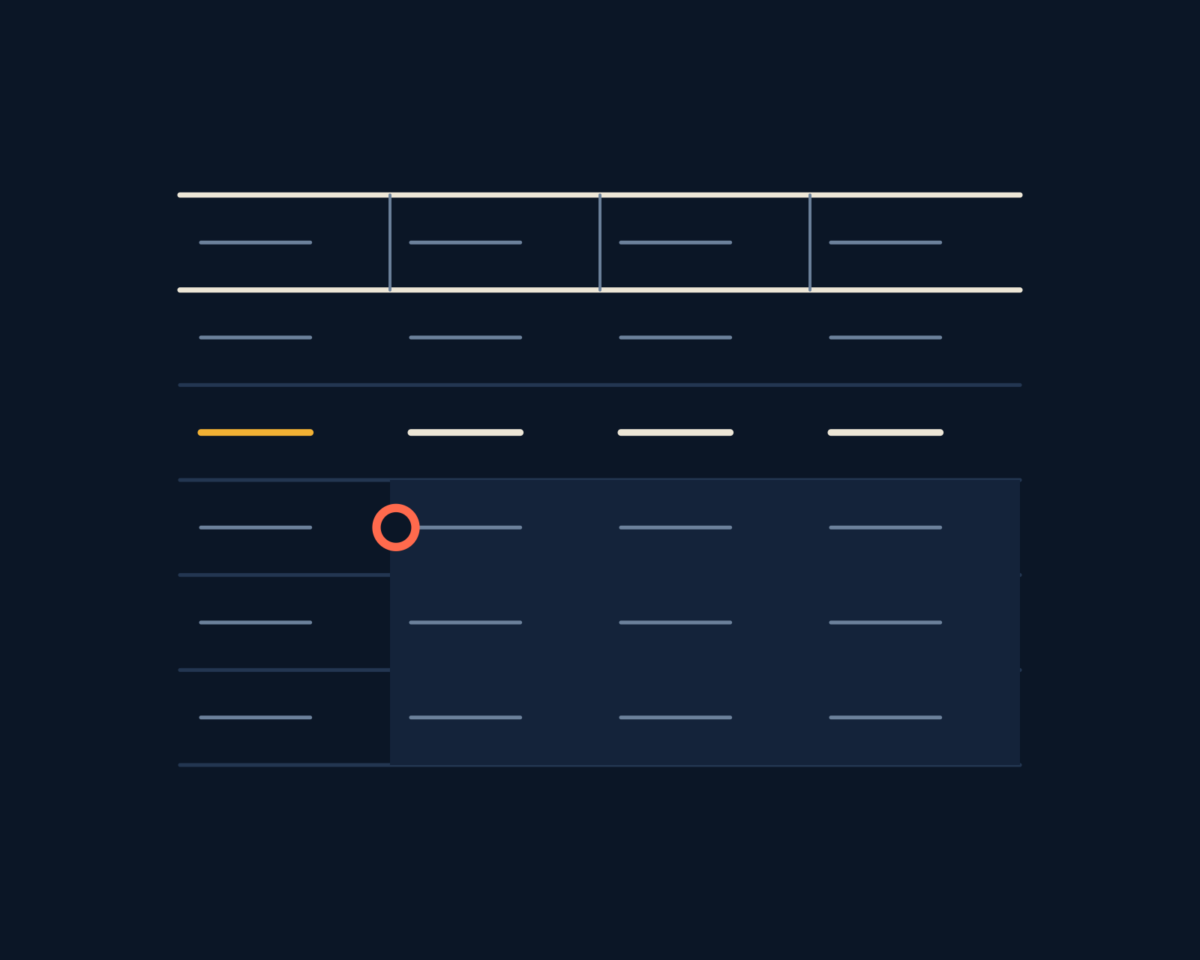
What the workbook does with your list
- A Matrix sheet with a weight across the top for value to the business, data readiness, ease of delivery, safety if it goes wrong, ownership ready and fit with how people work
- A weighted score, a rank and the weakest criterion beside each use case
- A use case is ranked only when every criterion has a score, so a partly filled row cannot reach the ranking
- Entries held to the scale, with a message when one is out of range
- Room for a long list, a notes column, and example rows to overwrite
How to run a scoring session
- 01
Agree the weights before any use case is named
Set them with the sponsor in the room and no favorite on the list. A weight changed after the scores are in is a decision made by arithmetic.
- 02
Score apart, then compare
Ask different people to score on their own, high when the answer is good for you. Wide disagreement on one criterion is the useful finding, so talk about that cell first.
- 03
Read the weakest criterion of the leader
The leader may still be weak on a criterion that sinks it, such as having no owner. Fix that or accept it in writing first.
Limits
The ranking is arithmetic on your own judgments. It puts no figure on a use case's value and knows nothing of your constraints, so a narrow gap between neighbors is a prompt to look closer and not a decision.
On this page
When does a ranked list earn its keep?
Candidate use cases arrive from enthusiasts across the business, each argued in a different vocabulary. The matrix imposes one. Use it when more candidates exist than the first funded cycle can carry, and when the argument so far has been about who asked loudest. It does little for a case already chosen.
What does a high score look like on each criterion?
A score helps only if the people giving it read the criterion alike. These readings give a high score and a low score a recognizable shape.
| Criterion | A high score looks like | A low score looks like |
|---|---|---|
| Value to the business | The owner of the affected function can say what improves and who would notice | The benefit is described as efficiency in general |
| Data readiness | The data exists, can be reached and may be used for this purpose | Systems hold it and disagree, or nobody has cleared its use |
| Ease of delivery | Little to integrate, and a team that has built something similar | Heavy integration work, and a team new to this kind of work |
| Safety if it goes wrong | A wrong answer is easy to catch and cheap to correct | A wrong answer reaches a customer before anyone sees it |
| Ownership ready | A named person will answer for it after launch | The sponsor assumes the project team will keep it going |
| Fit with how people work | It sits inside a step people already take | It asks people to add a step to their day |
From a ranked list to a decision
The AI Use-Case Prioritization Tool on this site covers the same question as a guided form. Once one case leads, the Enterprise AI Investment Decision Brief frames it for the executives who fund it. Our AI strategy work tests a ranked list against what the organization can absorb.
What do people ask before using the prioritization matrix?
When is a use-case prioritization matrix worth using?
Use it when more candidate use cases exist than the first funded cycle can carry, and when the argument so far has been about who asked loudest. It gives every candidate the same criteria. It does little for a case that has already been chosen.
Who should set the criteria weights, and when?
Agree the weights with the sponsor in the room before any use case is named, and with no favorite on the list. A weight changed after the scores are in is a decision made by arithmetic. Different people should then score on their own and compare afterward.
What does a high rank in the matrix not tell me?
It tells you which use case scores best on your own judgments, not that it will pay off. The matrix puts no figure on value and knows nothing of your constraints. A narrow gap between neighbors is a prompt to look closer, not a decision.
What should I do with the use case that ranks first?
Read its weakest criterion before you commit, because a leader can still be sunk by a single gap, such as having no owner. Fix that or accept it in writing. Then frame the case for the people who fund it, and test the list with an adviser if needed.
Choosing where to start?
Describe what you are weighing in a few lines. A senior practitioner replies with a suggested first conversation.