Automation Opportunity Register
Everyone has a process they would like automated, and nobody agrees which comes first. This register works out the time and value each one could save, sets that against the effort and the risk, and gives you a ranking you can explain.
No form and no email step. Open it and start listing.
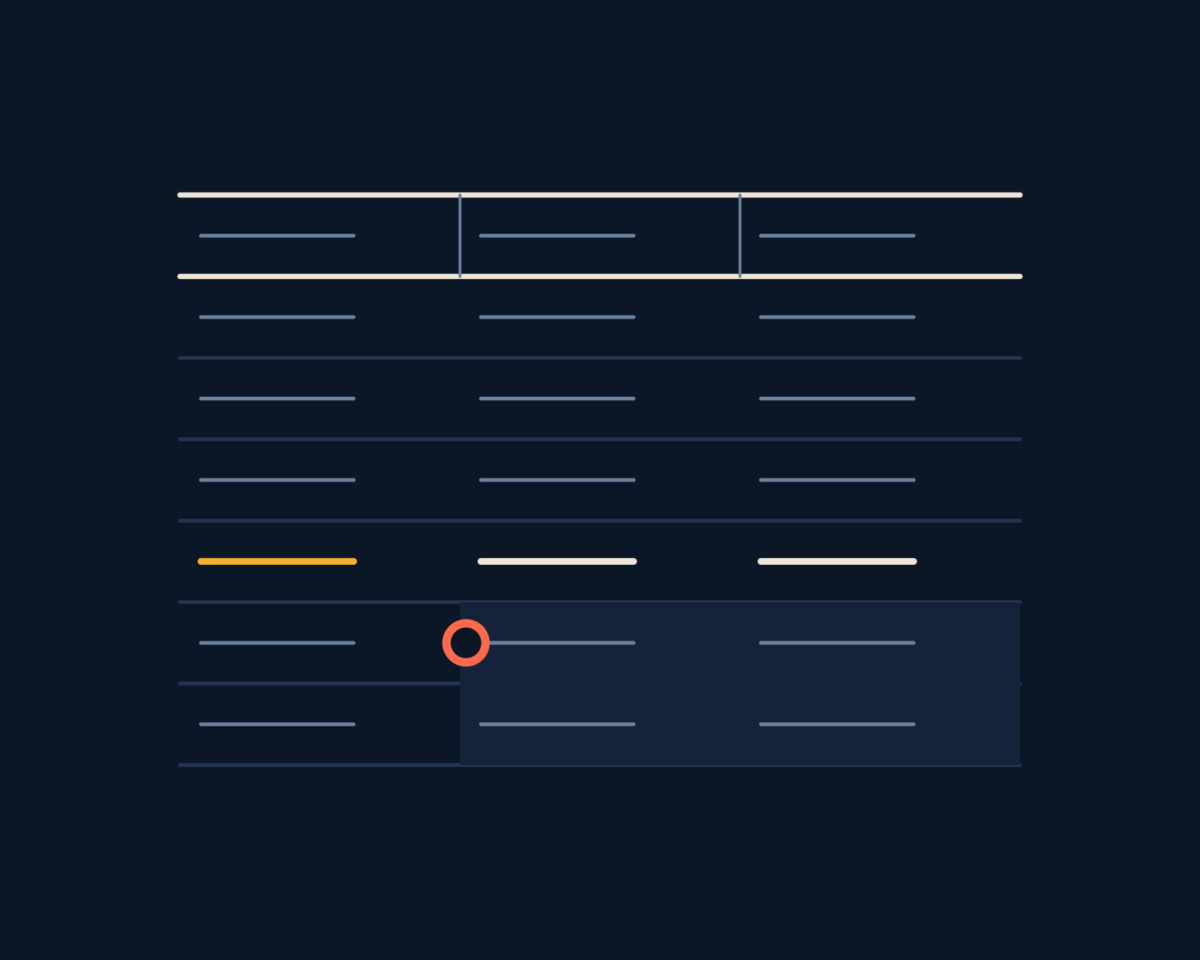
What the register works out for you
- A row for each process: its owner, how often it runs, the minutes each time, the cost of an hour of that work, and the share an automation could take over
- Hours saved and monthly value, calculated from those entries
- Effort to build, risk if it goes wrong and data readiness, each picked from a list
- A priority score, which is the monthly value divided by the numbers for effort and risk, and a rank
- A Settings sheet for your currency and for the numbers behind low, medium and high, plus marked example rows to write over
How to fill it in so the rank means something
- 01
Set the currency and the levels first
Enter your currency and check the numbers behind low, medium and high. They decide how hard effort and risk pull a rank down.
- 02
Ask whoever does the work
The minutes each time and the share that could be automated come best from the person who does the task. A manager's figure tends to leave out the exceptions.
- 03
Read data readiness before the rank
A high rank for a process with no usable data is really a plan to build the data first. The readiness column isn't part of the score.
Limits
Time saved turns into money only when the time gets used or the work goes away. The priority score is an aid for discussion. It ignores the work of changing the process, and it counts risk as a level, not as the cost of an error.
On this page
A pattern, worked through
Is the top rank the right first job?
A hospitality group lists the processes it could automate: reconciling supplier invoices, summarizing guest feedback, and updating menu records across its sites.
- The register ranks them. Updating records across sites comes first, because it runs constantly and much of it could be automated.
- The readiness column disagrees. It reads not ready. Records differ from site to site, and nobody owns the differences.
- The plan changes. The first piece of work is deciding which record wins at each site. The automation comes after.
- The ranking gets read again. Summarizing guest feedback is ready and low risk, so it becomes the first build while the data work runs alongside.
Where it endsThe ranking wasn't wrong, just unfinished, and the readiness column finished it.
How does a ranked list become a case?
Take one process from the register into the Automation Business Case Calculator on this site to test whether it pays. The Digital Transformation Roadmap Template puts the winners in order, alongside what stops. Our field note on the process that waits for one person describes what the register can't see.
What do people ask before using the automation register?
Where do the figures in the automation register come from?
From you. For every process you type in how often it runs, how long it takes each time, what an hour of that work costs and what share could be automated. Ask whoever does the task, since a manager's estimate usually misses the exceptions.
Should I automate the process that ranks first?
Not before you have read its data readiness. That column sits outside the score, and a high rank for a process with no usable data is a plan to build the data first. A ready, lower-risk process further down may make the better first build.
Are the hours saved in the register real savings?
Only when the time goes to other use or the work disappears. Monthly value multiplies hours by the cost of an hour, so it is a saving only if one of those happens. Ask your finance partner which it will be before you quote the figure.
What should I set before I start entering processes?
Your currency, and the values behind low, medium and high on the Settings sheet, because they decide how hard effort and risk pull a rank down. The priority score also ignores the work of changing the process, so treat it as a prompt for discussion.
Deciding what to automate first?
Send us the processes at the top of your list and who does that work today. Someone senior reads it and tells you which one we would test before anything gets built.